Cancer Prognosis: What It Means and How It Affects Your Next Steps
When you hear the word cancer prognosis, a doctor’s estimate of how a cancer will likely progress and respond to treatment. Also known as outlook, it’s not a crystal ball—it’s a tool built from data on similar cases, cancer type, stage, age, and overall health. It’s the difference between hearing "you have cancer" and understanding what comes next. A prognosis helps you decide whether to push hard with treatment, focus on quality of life, or find a balance between the two.
Cancer prognosis isn’t one-size-fits-all. It depends on cancer staging, how far the disease has spread from its original site, which ranges from Stage I (localized) to Stage IV (metastatic). It also ties directly to cancer survival rate, the percentage of people alive after a certain time following diagnosis. But survival rates are averages—they don’t predict your individual path. Someone with Stage III colon cancer might live five years or more with treatment, while another with the same stage might not. What changes the game? Age, fitness, other health conditions, and how well the tumor responds to therapy.
Doctors don’t guess—they use tools. They look at tumor markers, genetic tests, and how early symptoms showed up. That’s why cancer warning signs, early symptoms like unexplained weight loss, persistent pain, or unusual bleeding matter so much. The sooner cancer is caught, the better the prognosis tends to be. That’s why knowing your body and acting fast can change outcomes.
And prognosis isn’t just about numbers. It’s about choices. If your prognosis says 10% chance of surviving five years, do you go all in? Or do you focus on days that feel meaningful? People use this info differently—some fight harder, others choose comfort. Neither is right or wrong. What matters is understanding what you’re facing so you can plan with clarity, not fear.
Below, you’ll find real stories and facts from people who’ve been there. You’ll learn what actually affects survival, what tests give the clearest picture, and how to ask the right questions when your doctor gives you numbers. No fluff. Just what you need to know to move forward—with your eyes open.
8
NovemberWhat Is the Hardest Cancer to Cure? Real Challenges and Current Outlook
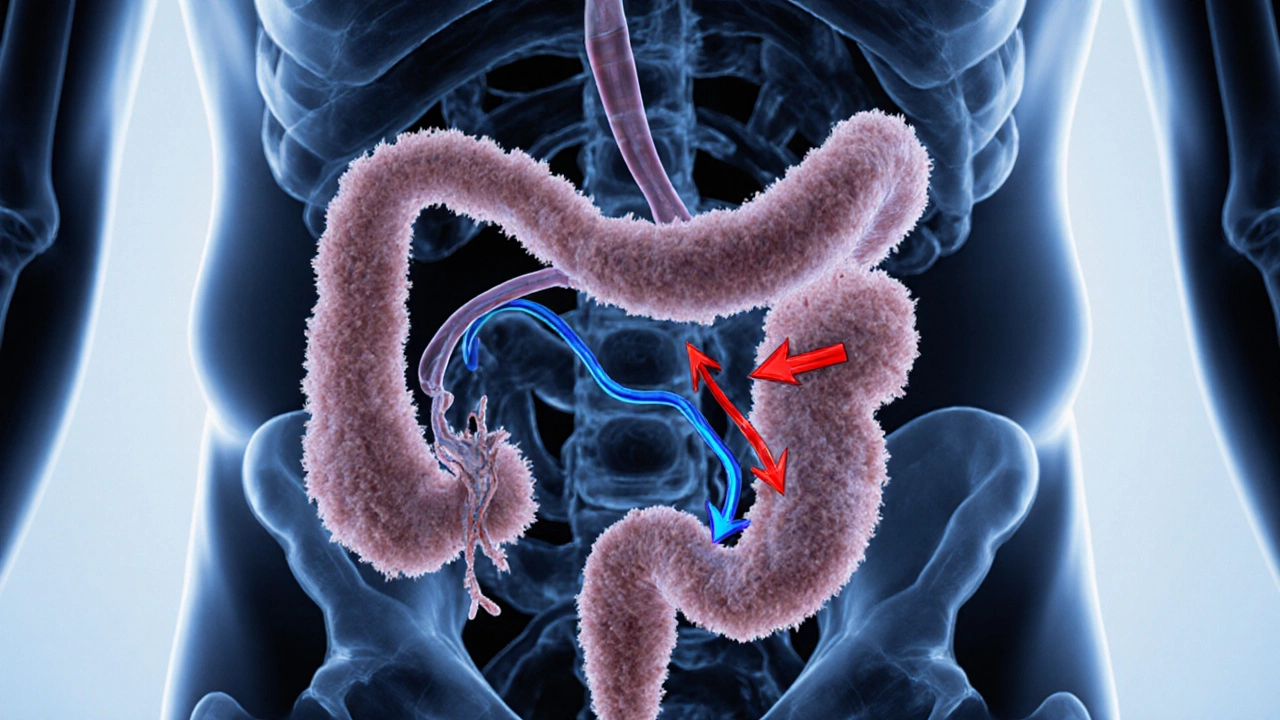
Pancreatic cancer is the hardest cancer to cure due to late detection, resistance to treatment, and lack of early screening. Learn why survival rates are low and what new treatments are offering hope.
Recent posts
-
 2 Mar 2025
What is the Hardest Surgery in Cardiology?
-
 22 Jun 2025
Queen of All Herbs: What Makes Tulsi the Star of Ayurveda?
-
 1 May 2025
Silent Killer Cancer: Which Types Go Unnoticed?
-
 20 Oct 2025
Top Mental Health Therapies: Which One Is the Best for You?
-
 16 Feb 2025
Alternatives to Metformin: What Are Doctors Prescribing?