Cancer Cure: What Really Works and What Doesn’t
When people search for a cancer cure, a term often used to describe treatments that eliminate cancer completely and prevent return. Also known as complete remission, it’s not a magic bullet—it’s the result of precise medical intervention, early detection, and personalized care. The truth? There’s no one-size-fits-all cure. Some cancers, like testicular or thyroid, can be cured with surgery and radiation if caught early. Others, like pancreatic or glioblastoma, remain stubbornly hard to beat—even with the latest drugs. What matters isn’t the word "cure," but whether treatment stops cancer from spreading, extends life, and lets people live well.
Real progress comes from understanding the cancer treatment, the combination of surgery, chemotherapy, radiation, immunotherapy, and targeted drugs used to fight cancer. Chemotherapy kills fast-growing cells, but it also hits healthy ones—hence the side effects. Immunotherapy, on the other hand, trains your own immune system to find and destroy cancer cells. It’s not new, but it’s changed the game for melanoma and lung cancer. Then there’s precision medicine: testing a tumor’s DNA to pick the exact drug that works for *your* cancer. This isn’t sci-fi—it’s happening in hospitals across India right now.
And then there’s the quiet hero: early cancer detection, catching cancer before it spreads, when treatment is most effective. A simple blood test, a mammogram, a colonoscopy—these aren’t just checkups. They’re life-saving tools. That’s why posts here talk about the 10 warning signs you can’t ignore, or why pancreatic cancer is so deadly: it shows up late. Early detection doesn’t guarantee a cure, but it massively increases your odds. And it’s something you can control.
What you won’t find here are miracle cures from herbal teas or detox diets. You won’t see claims that apple cider vinegar or turmeric can cure cancer. Those stories sell clicks, not results. What you will find are clear, evidence-based posts about what actually works: the real side effects of new drugs, how long recovery takes after surgery, which tests catch cancer early, and why some treatments fail. This isn’t about hope—it’s about facts.
Below, you’ll find real stories from people who’ve been through this. Posts that explain what a full body blood test can reveal, why some cancers resist treatment, and how lifestyle choices affect outcomes. No fluff. No hype. Just what you need to know to make smarter choices—for yourself or someone you care about.
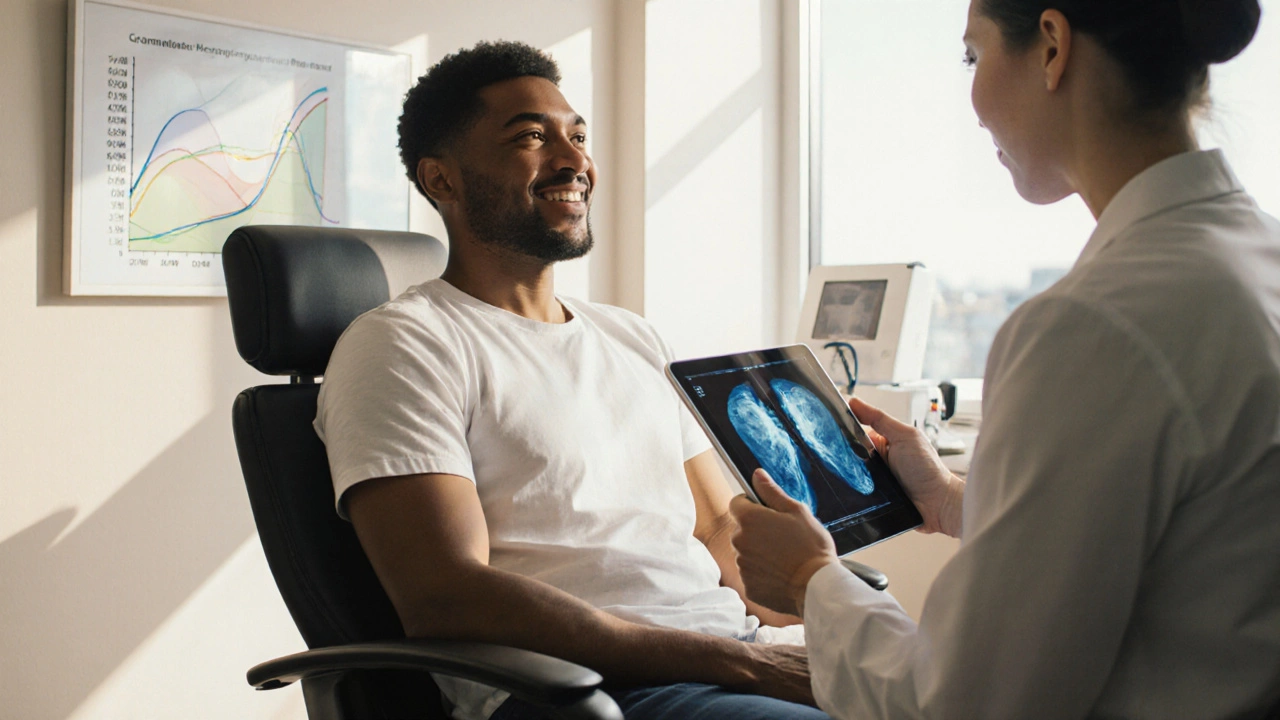
14
OctoberCan Cancer Be 100% Cured? Facts, Success Rates & What to Expect
Explore whether cancer can be 100% cured, understand survival rates, treatment options, and realistic steps to improve your odds.
Recent posts
-
 4 May 2025
Can I Take 5 Different Vitamins at Once? Your Guide to Mixing Herbal Supplements Safely
-
 19 Dec 2025
Which Celebrities Have Undergone IVF Treatment?
-
 20 Jan 2025
Choosing the Right Doctor for Weight Loss Pills: A Guide to Licensed Prescribers
-
 15 May 2025
What Country Gets Sick the Most? Eye-Opening Facts for Medical Travelers
-
 20 Oct 2025
Top Mental Health Therapies: Which One Is the Best for You?