Bowel Movement: What Normal Looks Like and When to Worry
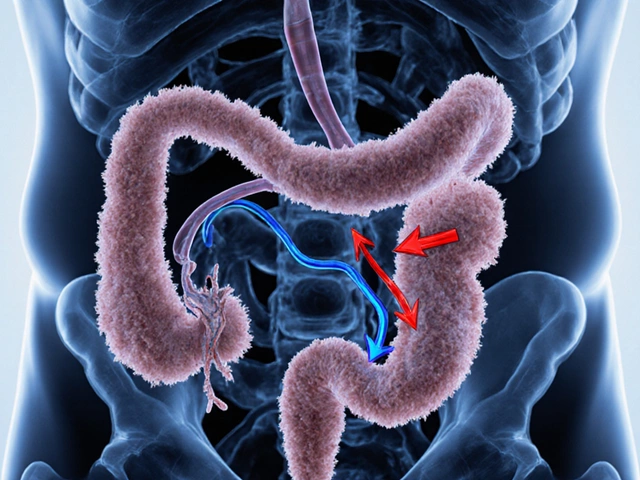
When we talk about bowel movement, the process of passing stool from the digestive tract. Also known as defecation, it’s one of the most basic but least talked-about signs of how well your body is working. It’s not about frequency alone—it’s about consistency, color, and comfort. If your bowel movement suddenly changes shape, color, or how often it happens, your body might be trying to tell you something.
A healthy bowel movement happens anywhere from three times a day to three times a week. It should be easy to pass, not too hard or too loose. The color? Brown—thanks to bile and digested food. If you see black, red, pale, or green stools often, that’s not normal. Black could mean internal bleeding. Red might signal hemorrhoids or something more serious. Pale stools? Could point to liver or gallbladder trouble. And if you’re stuck with constipation, having fewer than three bowel movements a week with straining or hard stools for more than a few days, it’s not just annoying—it’s a red flag. Same goes for diarrhea, loose, watery stools happening more than three times a day that lasts over two days. Both can be caused by food, stress, infection, or something deeper like IBS or inflammatory bowel disease.
Your diet plays a huge role. Eat more fiber—beans, oats, vegetables—and drink water. Skip too much processed food, sugar, and dairy if you notice bloating or changes. Exercise helps too. But if you’re doing all the right things and still struggling, it’s not your fault. Something might be off in your gut lining, your microbiome, or even your thyroid. A full body blood test can sometimes catch hidden issues like thyroid imbalance or diabetes that mess with digestion. And if you’re noticing blood in your stool, unexplained weight loss, or pain during bowel movements, don’t wait. Those are the signs doctors look for when ruling out colon cancer or other serious conditions.
What you see in the toilet matters more than you think. This isn’t about shame—it’s about awareness. The posts below cover real cases: how certain herbs affect digestion, what blood tests reveal about gut health, why liver function ties into stool color, and how lifestyle changes can fix chronic issues. You’ll find straight answers—not myths—on what’s normal, what’s not, and what to do next.

17
JanuaryPost-Knee Surgery Bowel Movements: What to Expect
Recovering from knee replacement surgery involves several changes, including how your body handles waste. It's common for post-surgery patients to experience delayed bowel movements due to medications, limited mobility, and dietary changes. This article provides insights into the timeline of bowel movements after knee surgery and offers practical tips to ease the process, ensuring a more comfortable recovery journey.
Recent posts
-
 28 Oct 2025
Can You Have Oral Sex After Heart Surgery? What Doctors Really Say
-
 8 Nov 2025
What Is the Hardest Cancer to Cure? Real Challenges and Current Outlook
-
 17 Sep 2025
How Long Can You Live With Cancer? Survival Rates, Stages, and What Affects Life Expectancy (2025)
-
 10 Jul 2025
Has Anyone Survived Stage 4 Cancer? Real-Life Stories and New Hope
-
 5 Jul 2025
Ashwagandha Side Effects: Why You Might Feel Strange After Taking It