Body Healing: What It Really Means and How It Works
When we talk about body healing, the process by which your body repairs itself after injury, illness, or stress. Also known as self-repair, it’s not magic—it’s biology, timing, and smart choices working together. Your skin mends after a cut, your bones knit back after a break, and your liver filters toxins day after day. But healing doesn’t stop at the physical. Your mind plays a role too. Stress, anxiety, and poor sleep can slow down tissue repair, weaken immunity, and even delay recovery from surgery. True body healing is whole-body work.
Take liver health, how well your liver processes toxins, metabolizes nutrients, and regenerates damaged cells. You won’t find a magic potion that "cleans" it—apple cider vinegar won’t do it. But cutting sugar, losing excess weight, and avoiding alcohol? Those actually help your liver heal itself. The same goes for mental health, your brain’s ability to recover from emotional strain, trauma, or chronic stress. Therapy isn’t just for crises—it’s part of healing. You don’t need to spill every secret to benefit. Even small, honest conversations with a therapist can shift your nervous system out of fight-or-flight mode, letting your body focus on repair. And then there’s orthopedic recovery, how your bones, joints, and muscles rebuild after surgery like knee replacements or rotator cuff repairs. Healing here isn’t just about waiting. It’s about movement, nutrition, and avoiding infection. Showering too soon after joint surgery? Risky. Doing too much too fast? That’s how you re-injure yourself. Recovery timelines vary—some take weeks, others take over a year.
And here’s the catch: some things people think help healing actually hurt it. Certain herbal supplements, natural products marketed as safe alternatives to medicine. Also known as natural remedies, they’re not always harmless. St. John’s Wort can trigger anxiety. Green tea extract in high doses may stress your liver. Yohimbe? It can spike blood pressure and heart rate. If you’re healing from anything serious—heart surgery, cancer treatment, or a major operation—what you take matters as much as what you eat. Healing isn’t about doing more. It’s about doing the right things, at the right time, without interference.
From blood tests that catch hidden problems before they worsen, to understanding when it’s safe to be alone after open-heart surgery, to knowing which cancers are hardest to treat and why—this collection cuts through the noise. You’ll find real answers about what supports healing and what slows it down. No fluff. No myths. Just what works, based on how your body actually behaves.

1
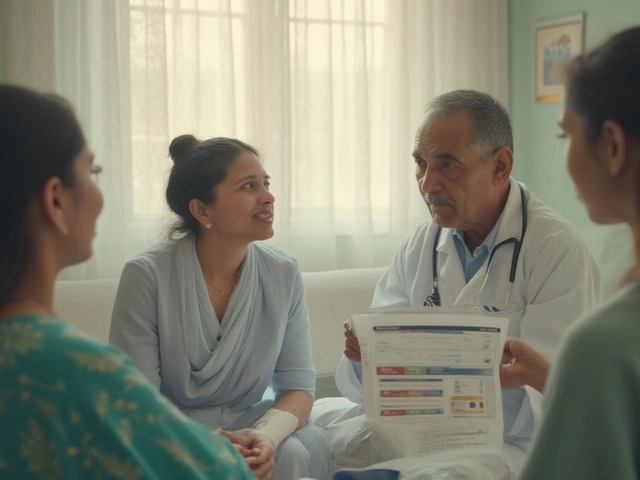
FebruaryDoes Your Body Fully Heal After Chemotherapy? Exploring Recovery and Beyond
Chemotherapy can be a life-saving treatment for cancer patients, but it also brings a range of effects on the body that can linger for varying periods of time. This article examines the complexities of recovering from chemotherapy, discussing both the physical and mental aspects of the healing process. It addresses common questions and provides valuable insights into how individuals can support their recovery journey. Understanding what to expect can help patients and families navigate the challenging road to healing after chemotherapy.
Recent posts
-
 15 May 2025
What Country Gets Sick the Most? Eye-Opening Facts for Medical Travelers
-
 27 Apr 2025
First Drug of Choice for Diabetes: Why Metformin Leads the Pack
-
 16 Oct 2025
10 Cancer Warning Signs You Must Not Ignore
-
 24 Sep 2025
Are Too Many Herbal Supplements Harmful? Risks, Interactions, and Safe Use
-
 13 Jul 2025
Stage 5 Cancer: Myth or Reality? Understanding Cancer Staging Explained